
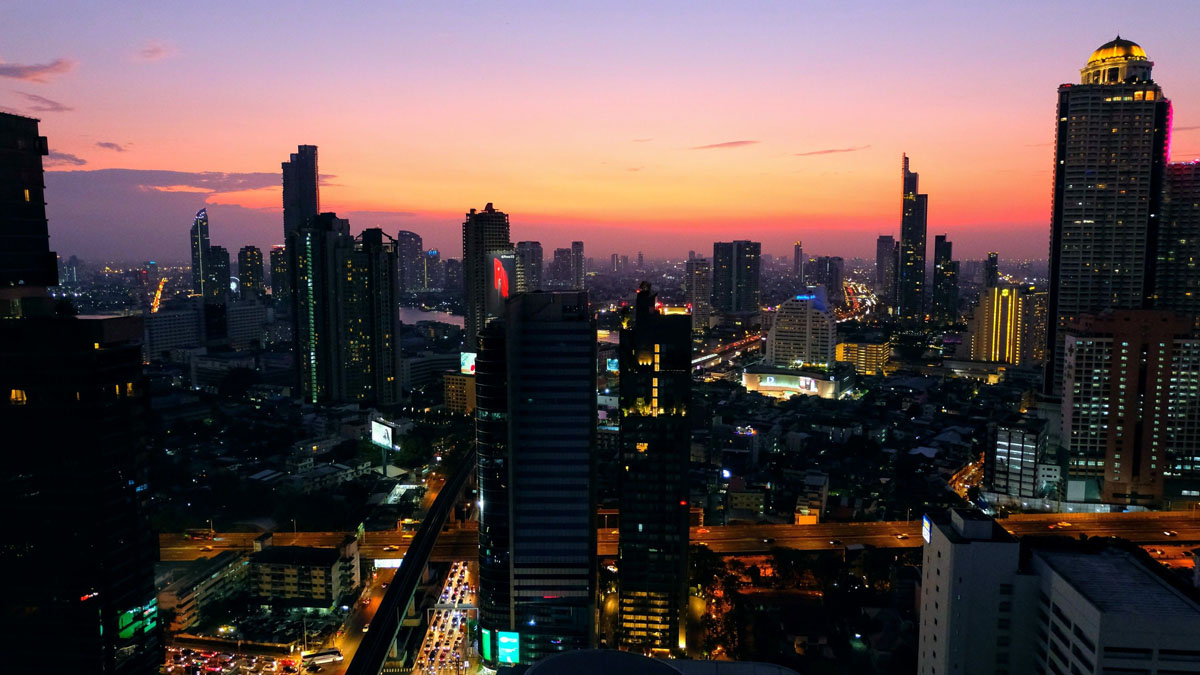
Bangkok is a city that rarely leaves visitors indifferent. Thailand’s capital and one of Southeast Asia’s most vibrant metropolises, it is a fascinating mix of golden temples, modern skyscrapers, bustling markets, enormous shopping malls, and narrow streets where everyday life moves at a completely different pace. Traffic can be chaotic, the heat intense, and distances surprisingly long, but beyond the main roads lie traditional neighbourhoods, lively local markets, and an incredible variety of places to eat at almost any hour of the day. Bangkok deserves at least three or four days to explore properly, although it is easy to spend much longer without running out of things to do. The most comfortable time to visit is generally between November and February, when temperatures are slightly cooler and rainfall is less frequent. However, the city can be visited year-round, keeping in mind that tropical downpours are common during the rainy season, particularly from May to October.
Main Transport Hubs
✈️ Airports
Suvarnabhumi Airport (BKK)
Suvarnabhumi is Bangkok’s main international airport, handling most long-haul flights as well as numerous regional and domestic connections. Located approximately 30 km east of central Bangkok, it is the main arrival point for many international visitors. The most convenient way to avoid traffic is the Airport Rail Link, which connects the airport to Phaya Thai station, where passengers can transfer to the BTS Skytrain. Makkasan station also provides access to the MRT Blue Line via nearby Phetchaburi station. Taxis and ride-hailing services are convenient alternatives, especially when travelling with luggage or staying in areas not easily reached by rail.
Don Mueang Airport (DMK)
Located north of the city, Don Mueang is particularly important for low-cost airlines and domestic or regional flights. The airport is connected to the railway network through the SRT Red Line, which runs to Krung Thep Aphiwat Central Terminal, where passengers can transfer to the MRT. Airport buses also connect Don Mueang with several areas of Bangkok, including Mo Chit and Victory Monument, while taxis and ride-hailing services are widely available.
🚉 Railway Stations
Krung Thep Aphiwat Central Terminal
Also known as Bang Sue Grand Station, Krung Thep Aphiwat is Bangkok’s main modern railway hub and the departure point for many long-distance trains serving northern, northeastern, and southern Thailand. The station is connected to the MRT Blue Line at Bang Sue and to the suburban SRT Red Line network.
Hua Lamphong Railway Station
Bangkok’s historic railway station still serves some train services and is also worth mentioning for its distinctive architecture. However, it is no longer the main departure point for most long-distance trains. When travelling by rail, always check the departure station indicated on your ticket, as services operate from different terminals.
🚌 Bus Terminals
Bangkok has several intercity bus terminals, each primarily serving different regions of Thailand.
- Ekkamai (Eastern Bus Terminal): Conveniently located next to BTS Ekkamai station, this terminal mainly serves eastern destinations such as Pattaya, Rayong, Chanthaburi, and Trat.
- Mo Chit 2 (Northern Bus Terminal): One of Bangkok’s largest bus terminals, primarily serving northern and northeastern Thailand, including destinations such as Chiang Mai, Chiang Rai, and Khon Kaen.
- Sai Tai Mai (Southern Bus Terminal): The main departure point for buses heading towards southern Thailand and several western destinations.
One important detail: Mo Chit 2 Bus Terminal is not located directly at BTS Mo Chit station. Despite the similar names, reaching the bus terminal usually requires an additional transfer by taxi or another local transport service.
Getting Around Bangkok
Bangkok is an enormous city, and choosing the right form of transport can make a considerable difference to your experience. Fortunately, the city has an extensive transport network that includes elevated trains, an underground metro, buses, taxis, motorcycle taxis, and river boats.
🚝 BTS Skytrain
The BTS is one of the easiest ways to get around modern Bangkok. Trains are air-conditioned, frequent, and, most importantly, unaffected by the heavy road traffic that can make short journeys surprisingly time-consuming.
The two main lines are:
- Sukhumvit Line: Connects many of Bangkok’s busiest areas, including Siam, Phloen Chit, Nana, Asok, Phrom Phong, Thong Lo, and Ekkamai.
- Silom Line: Runs through central Bangkok, connecting Siam with Silom, Saphan Taksin, and areas on the western side of the Chao Phraya River.
Siam is the main interchange station between the two lines. Single-journey tickets can be purchased at station machines or ticket counters. For visitors planning to use the BTS frequently, the rechargeable Rabbit Card can be a convenient alternative, avoiding the need to purchase a separate ticket for every journey. Keep in mind that the BTS and MRT have separate ticketing systems, so a ticket or travel card valid on one network does not necessarily work on the other.
🚇 MRT: Bangkok Metro
The MRT complements the BTS and provides access to several areas not directly served by the Skytrain. For most visitors, the Blue Line is particularly useful because it connects modern districts, railway stations, and important attractions in Bangkok’s historic centre.
Some of the most useful stations include:
- Sukhumvit: Interchange with BTS Asok.
- Si Lom: Connection with BTS Sala Daeng.
- Sanam Chai: Convenient for Wat Pho and the Grand Palace area.
- Wat Mangkon: Located in the heart of Chinatown.
- Kamphaeng Phet: Useful for visiting Chatuchak Weekend Market.
Single-journey tokens are available at stations, and eligible contactless bank cards can be used directly at the gates on supported MRT lines. The Blue Line is particularly convenient for reaching Bangkok’s historic attractions without relying entirely on taxis.
🚕 Taxis and Ride-Hailing Apps
Taxis are widely available throughout Bangkok and are generally affordable compared with those in many Western countries. They are especially useful when travelling with luggage, reaching locations far from railway stations, or returning to your hotel late at night. The main drawback is traffic: a journey covering only a few kilometres can take considerably longer than expected during rush hour.
Traditional taxis are expected to use the meter. If a driver refuses to switch it on and insists on an unreasonable fixed price, it is usually better to find another taxi. Ride-hailing apps such as Grab and Bolt are popular alternatives. They allow passengers to enter their destination and check the quoted fare before confirming a ride, reducing misunderstandings about prices and directions.
🏍️ Motorcycle Taxis
Motorcycle taxis are a distinctive feature of Bangkok’s streets. Drivers are usually recognisable by their coloured numbered vests and can often be found waiting at designated stands. They are particularly useful for short journeys and for reaching addresses located deep inside a soi, the Thai term for a side street or lane. In heavily congested areas, motorcycle taxis can be considerably faster than cars. However, they are less comfortable and involve greater risks than other forms of transport, especially in dense traffic. Always use a helmet and avoid riding if conditions appear unsafe.
🛺 Tuk-Tuks
Tuk-tuks are probably Bangkok’s most recognisable form of transport, although nowadays they are often more of a tourist experience than a practical everyday option. They do not use meters, so the fare should always be agreed upon before departure. In popular tourist areas, quoted prices can be considerably higher than those of ordinary taxis. Taking a tuk-tuk for a short journey can be an enjoyable experience, but it is rarely the most economical or comfortable way to travel around the city.
⛴️ Boats on the Chao Phraya River
River boats are among the most interesting ways to explore Bangkok, particularly the historic areas along the Chao Phraya River. The Chao Phraya Express Boat operates public transport services along the river, with different routes identified by coloured flags. Routes, stopping patterns, and operating schedules vary depending on the service, so it is worth checking which boat stops at your intended pier.
The Chao Phraya Tourist Boat, identified by its blue flag, is designed primarily for visitors and connects several major attractions along the river. It offers a convenient way to explore the riverside without constantly using road transport.
Some particularly useful piers include:
- Sathorn Pier: Connected to BTS Saphan Taksin and an important starting point for river journeys.
- Tha Chang: Convenient for visiting the Grand Palace.
- Tha Tien: Located near Wat Pho and the cross-river ferry to Wat Arun.
- Ratchawong: Useful for reaching Chinatown.
- Phra Arthit: Convenient for the Khao San Road and Banglamphu areas.
Not every boat service stops at every pier, so checking the route is important. Small cross-river ferries also operate between the two banks of the Chao Phraya. The short crossing between Tha Tien and Wat Arun is particularly convenient when visiting the historic temples. Bangkok also has passenger boats operating along some of its canals, known as khlongs. These services are used mainly by local commuters but can be useful alternatives in certain parts of the city.
🚌 Public Buses
Bangkok has an extensive public bus network, offering inexpensive transport throughout the metropolitan area. Buses can be useful for reaching neighbourhoods not served by rail, but routes may be less intuitive for first-time visitors, and services remain affected by road traffic. For most tourists, a combination of BTS, MRT, river boats, and occasional taxis will usually be the most practical way to explore the city.
Things to See and Do in Bangkok
🏯 The Grand Palace and Wat Phra Kaew
The Grand Palace is one of Bangkok’s most important landmarks and one of Thailand’s most significant historical complexes. Its elaborate buildings, courtyards, and richly decorated architecture offer an introduction to the country’s royal and religious traditions. Within the complex stands Wat Phra Kaew, the Temple of the Emerald Buddha, one of Thailand’s most sacred Buddhist sites.
This is an essential visit for anyone discovering Bangkok for the first time. Arriving early in the morning is generally preferable, before temperatures and crowds become more intense. Visitors must follow a strict dress code, avoiding shorts, sleeveless tops, and other inappropriate clothing. It is also advisable to check the official opening information before visiting, as royal ceremonies may occasionally affect access.
🛕 Wat Pho and the Reclining Buddha
A short distance from the Grand Palace, Wat Pho is best known for its enormous golden Reclining Buddha, measuring 46 metres in length. The temple complex also contains beautiful courtyards, religious buildings, and numerous Buddha images. Wat Pho is closely associated with traditional Thai massage, making it an important cultural site beyond its famous statue. The temple can easily be combined with visits to the Grand Palace and Wat Arun, allowing visitors to explore several of Bangkok’s most important landmarks in the same area.
🛕 Wat Arun: The Temple of Dawn
Standing on the western bank of the Chao Phraya River, Wat Arun is one of Bangkok’s most recognisable temples. Its towering central prang, decorated with intricate porcelain mosaics, creates one of the city’s most distinctive riverside silhouettes. The temple is particularly impressive when viewed from the opposite bank, especially in the late afternoon when the changing light highlights its architectural details. Wat Arun can be reached easily by taking a short ferry across the river from the Wat Pho area.
🏮 Chinatown and Yaowarat Road
Bangkok’s Chinatown is one of the city’s most atmospheric and energetic neighbourhoods. Traditional shops, Chinese temples, narrow commercial streets, and colourful signs create an environment quite different from the modern districts of the capital. The main thoroughfare, Yaowarat Road, becomes especially lively in the evening, when restaurants and street food vendors serve a wide variety of Thai-Chinese dishes. Chinatown is best explored on foot, allowing time to wander through the smaller lanes rather than staying exclusively on the main road.
📸 Talat Noi and Song Wat
Not far from Chinatown, Talat Noi and Song Wat offer a different perspective on Bangkok’s historic neighbourhoods. Talat Noi is known for its old workshops, traditional houses, small streets, street art, and independent cafés. The area still retains traces of its industrial and commercial past, giving it a distinctive character.
Nearby Song Wat has become increasingly popular for its historic commercial buildings, renovated shops, cafés, and creative businesses. Both areas are particularly interesting for visitors who enjoy walking, photography, and discovering parts of the city beyond the major tourist attractions.
🛍️ Chatuchak Weekend Market
Chatuchak Weekend Market is one of Bangkok’s most famous shopping destinations and an experience in its own right. The enormous market contains thousands of stalls selling clothing, accessories, handicrafts, home decorations, souvenirs, antiques, and countless other products. Food stalls and small restaurants are scattered throughout the area. The main shopping market is at its liveliest on Saturdays and Sundays. Visiting in the morning is usually more comfortable, particularly during the hotter months, as the crowded lanes can become extremely warm.
⛰️ Wat Saket: The Golden Mount
Wat Saket, commonly known as the Golden Mount, stands on an artificial hill in Bangkok’s historic district. A winding staircase leads to the upper terrace, where visitors are rewarded with views across the surrounding neighbourhoods and rooftops. It is a relatively short but rewarding visit, particularly for those interested in seeing the older parts of Bangkok from a different perspective.
🚤 Exploring the Canals of Thonburi
Before the development of Bangkok’s modern road network, canals played a central role in transport and daily life. In Thonburi, on the western side of the Chao Phraya River, it is still possible to explore some of these waterways aboard traditional long-tail boats.
A canal excursion offers glimpses of wooden houses, small temples, waterside communities, and aspects of everyday life that feel very different from the city’s busy commercial districts. It is worth choosing an excursion that focuses on the traditional canals rather than simply following the main river past familiar tourist attractions.
🌳 Parks, Shopping Malls, and Modern Bangkok
For a break from the traffic, Lumphini Park and Benjakitti Park offer green spaces, walking paths, and a calmer atmosphere, particularly in the early morning and late afternoon.
The Siam area is Bangkok’s modern shopping centre, home to enormous complexes such as Siam Paragon, CentralWorld, and MBK Center. Even visitors with little interest in shopping may find these malls useful for restaurants, food courts, and a break from the tropical heat. Along the river, ICONSIAM combines shopping, dining, and waterfront views in an impressive modern complex. It is worth considering even without plans to make any purchases.
🥊 Muay Thai and Bangkok Nightlife
Watching a live Muay Thai fight is one of the more distinctive experiences available in Bangkok. The traditional Thai martial art is an important part of the country’s sporting culture, and Rajadamnern Stadium is one of the historic venues where visitors can attend professional fights.
Bangkok is equally famous for its varied nightlife, which ranges from casual street bars to luxury rooftop lounges and adult entertainment districts. The Nana and Soi Cowboy areas of Sukhumvit are particularly associated with adult nightlife, while Thong Lo and Ekkamai offer fashionable bars, restaurants, and clubs. Khao San Road remains a popular destination for backpackers and younger travellers looking for inexpensive drinks, music, and a lively atmosphere. For a quieter evening, Bangkok’s rooftop bars offer impressive views of the illuminated skyline, although prices are generally higher than in ordinary street-level establishments.
Where and What to Eat in Bangkok
Bangkok is one of Asia’s most exciting cities for food lovers. Alongside elegant restaurants and internationally recognised dining establishments, visitors will find family-run eateries, small street stalls specialising in a single dish, and busy markets offering an extraordinary variety of food.
Street food is an essential part of Bangkok’s culinary culture and should not be considered a lower-quality alternative to restaurant dining. Some of the city’s most memorable meals can be found in modest establishments that have spent decades perfecting just one or two recipes.
🍜 Traditional Dishes to Try
- Pad Thai: Stir-fried rice noodles with egg, bean sprouts, tofu, and other ingredients, often served with shrimp.
- Pad Kra Pao: Stir-fried meat with holy basil, chilli, and garlic, typically served over rice and often topped with a fried egg.
- Tom Yum: A fragrant, spicy, and sour soup commonly prepared with shrimp, lemongrass, galangal, and lime.
- Khao Man Gai: Tender chicken served with fragrant rice cooked in broth and accompanied by a distinctive dipping sauce.
- Boat Noodles: Small bowls of rice noodles served in a rich, strongly flavoured broth with meat and spices.
- Som Tam: A refreshing green papaya salad combining sour, sweet, salty, and spicy flavours.
- Mango Sticky Rice: Sweet sticky rice served with ripe mango and coconut milk.
Bangkok also offers a tremendous selection of Thai curries, seafood dishes, grilled meats, and regional specialities from across the country.
🥢 Where to Experience Bangkok Street Food
Chinatown: Yaowarat
Chinatown is one of the best places to spend an evening discovering Bangkok’s street food culture. The area offers an incredible variety of noodles, seafood, roasted meats, soups, desserts, and Thai-Chinese specialities. Rather than heading immediately to the most famous restaurant, it is worth walking around, watching the food being prepared, and choosing whichever stalls or small eateries look particularly interesting.
Bang Rak and Charoen Krung
These historic neighbourhoods are home to numerous traditional restaurants, some of which have been operating for generations. They are particularly interesting for visitors looking for authentic Thai-Chinese cooking, rice dishes, noodles, roasted meats, and small local establishments that remain popular with residents.
Markets and Shopping Mall Food Courts
Food markets are excellent places to try several different dishes without committing to a single restaurant. Bangkok’s shopping mall food courts are also worth exploring. Despite their modern surroundings, many serve authentic Thai dishes at very reasonable prices. A particularly convenient example is Pier 21, on the fifth floor of Terminal 21 Asok, known for its extensive choice of inexpensive local food. Another option is the dining area at ICONSIAM, where visitors can sample Thai specialities in a more organised and tourist-oriented environment.
🍽️ Notable Restaurants and Local Eateries
Thipsamai: Famous Pad Thai
Thipsamai is one of Bangkok’s best-known Pad Thai restaurants. Its original location on Maha Chai Road, in the old city, is particularly famous for its Pad Thai prepared with shrimp oil and wrapped in a delicate layer of egg. The restaurant is very popular, and waiting times can be considerable during busy periods. It remains an interesting choice for visitors who want to try one of Bangkok’s most recognised versions of this classic dish.
Jay Fai: Internationally Famous Street Food
Located not far from Thipsamai, Jay Fai has become internationally famous for its wok cooking and especially its crab omelette. Despite its modest street-food setting, prices are substantially higher than those of ordinary local eateries. It is an option for travellers interested in a renowned culinary experience rather than an inexpensive everyday meal. Long waits and changing reservation arrangements should also be taken into account.
Charoen Saeng Silom: Traditional Braised Pork
Located in the Bang Rak area, Charoen Saeng Silom specialises in tender, slowly braised pork served in a rich, aromatic sauce. It is a good example of Bangkok’s long-established local eateries, where a relatively simple dish has been refined over generations. Particularly worth considering for visitors who enjoy traditional Thai-Chinese cooking.
K. Panich: Mango Sticky Rice
Situated on Tanao Road in Bangkok’s old town, K. Panich is one of the city’s historic names for mango sticky rice and traditional Thai desserts. The shop is particularly well known for its fragrant sticky rice, rich coconut milk, and carefully selected mangoes. It is a worthwhile stop for anyone interested in trying one of Thailand’s best-known desserts.
Bangkok has countless other small restaurants that never appear in international travel guides. Exploring a few streets away from the busiest tourist areas can often lead to equally satisfying meals, sometimes at considerably lower prices.
Where to Stay in Bangkok
Bangkok is a vast metropolis, and choosing the right area to stay can make a considerable difference to your visit. There is no single neighbourhood that suits everyone: some areas are ideal for nightlife, others offer a quieter atmosphere, while certain districts are particularly convenient for getting around.
🌃 Sukhumvit: Nightlife, Restaurants, and Entertainment
Sukhumvit is one of Bangkok’s main tourist areas, with a wide selection of hotels, international restaurants, shopping malls, bars, and nightlife venues. The Nana and Asok areas are especially lively and well known for entertainment, including adult-oriented nightlife. Further along Sukhumvit Road, Phrom Phong and Thong Lo offer a different atmosphere, with modern hotels, stylish restaurants, and more upscale venues. Sukhumvit is particularly suitable for travellers interested in nightlife, dining, and convenient transport connections. Staying near a BTS station is a significant advantage, although choosing the exact location carefully is important, as some streets are noticeably busier or noisier than others.
🌊 Riverside: Relaxed Atmosphere and River Views
The areas along the Chao Phraya River offer a different experience from Bangkok’s busiest central districts. Riverside is home to numerous mid-range and luxury hotels, many featuring river views, swimming pools, and a more relaxed atmosphere. It is particularly appealing to couples and travellers looking for a quieter stay while remaining close to major tourist attractions. However, transport convenience varies considerably between properties. Hotels near BTS Saphan Taksin or major piers can be very practical, while others may require taxis or hotel shuttle boats to reach the main transport network.
🎒 Khao San Road and Banglamphu: Backpackers and Budget Travellers
Khao San Road has long been one of Southeast Asia’s best-known backpacker destinations. The surrounding area offers hostels, guesthouses, budget hotels, restaurants, bars, and a lively international atmosphere. It is particularly suitable for younger travellers, backpackers, and anyone who enjoys a social environment. Travellers looking for a peaceful night’s sleep should avoid accommodation directly overlooking Khao San Road, where music and nightlife can continue late into the evening. The area is not directly served by the BTS, so reaching Bangkok’s modern districts often requires taxis, buses, or river transport.
🛍️ Siam: Shopping and Central Connections
Siam is a practical choice for visitors who want to stay close to major shopping malls and Bangkok’s central BTS interchange. The district offers modern hotels, restaurants, entertainment facilities, and easy connections to several important areas of the city. It is particularly suitable for travellers who value transport convenience and a central location without necessarily wanting to stay in one of the main nightlife districts.
🏙️ Silom and Sathorn: A Versatile Location
Silom and Sathorn combine business districts, international hotels, local restaurants, markets, and several nightlife areas. Locations near BTS Sala Daeng, MRT Si Lom, or BTS Saphan Taksin can be particularly convenient for exploring both modern Bangkok and the historic attractions along the river. These neighbourhoods are a good option for travellers seeking a balance between accessibility, dining, and a varied urban atmosphere.
Useful Tips
Plan your sightseeing by area. Bangkok is enormous, and travelling repeatedly between opposite sides of the city can waste a considerable amount of time. Grouping nearby attractions together and using BTS, MRT, or river boats whenever possible makes sightseeing much more enjoyable.
Keep your hotel’s exact address handy. Many Bangkok streets have numerous side lanes, known as soi, and some hotels are located surprisingly far from the main road. Having the precise location saved on your phone, preferably with the name written in Thai, can make taxi journeys much easier.
Carry some cash in small denominations. Cards are widely accepted in shopping malls, hotels, and larger restaurants, but smaller markets, local eateries, and some transport services still rely on cash. Small banknotes are particularly useful for everyday purchases.
Safety and Local Considerations
Bangkok is generally considered a safe city for tourists, including in the evening, but minor scams and overcharging can occur, particularly in busy tourist areas. One common issue involves taxi drivers refusing to use the meter, instead proposing a fixed fare that may be substantially higher than the normal price. It is best to clarify the fare arrangement before getting into the vehicle or use a ride-hailing app.
Around the Grand Palace and other major temples, visitors may occasionally be approached by people claiming that an attraction is closed for a special ceremony or event. These encounters can lead to unsolicited tuk-tuk tours involving stops at jewellery shops, tailors, or other businesses. It is always better to confirm opening information directly at the official entrance rather than relying on unsolicited advice from strangers.
Extra caution is advisable in certain nightlife establishments, particularly venues with unclear pricing or those promoted by persistent street touts. Unexpected charges, inflated bills, drinks that were never ordered, or additional fees for entertainment and services can sometimes become an issue. Checking the price list and understanding what is included before ordering is the simplest way to avoid unpleasant surprises.
Bargaining is common in many tourist markets, especially for souvenirs and products without fixed prices, but it should always remain friendly and respectful. Shops displaying clearly marked prices and modern retail establishments generally do not operate in the same way. Finally, when dealing with misunderstandings or disputes, it is best to remain calm and avoid aggressive behaviour or public confrontation. The concept of saving face plays an important role in Thai social interactions, and maintaining a respectful, discreet attitude is generally more effective than raising your voice.
Bangkok: More Than a Stopover
Bangkok is often the starting point or final stop of a trip to Thailand, but treating it as just a place to pass through would be a shame. The city can feel chaotic, noisy, and even overwhelming at first, yet beyond the traffic and skyscrapers lies a fascinating mix of contrasts, where tradition and modern life coexist in unexpected ways.
Continue exploring
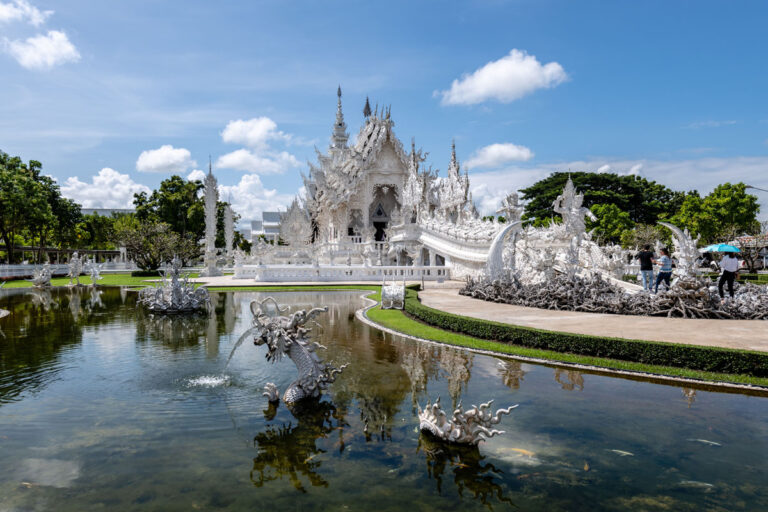 RouteHow to Get from Bangkok to Chiang Mai
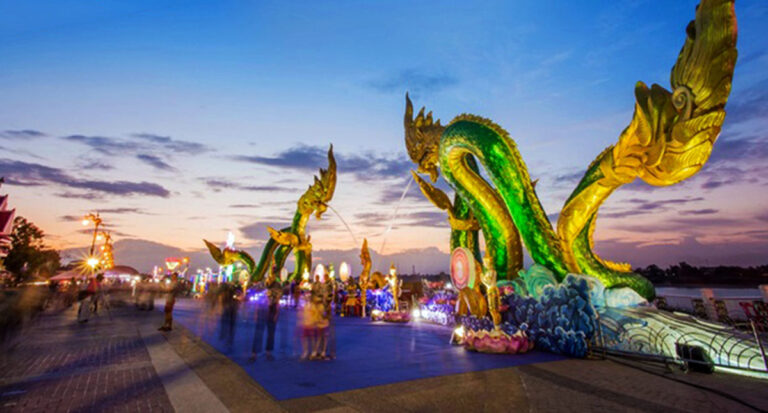 RouteHow to Get from Vientiane to Nong Khai
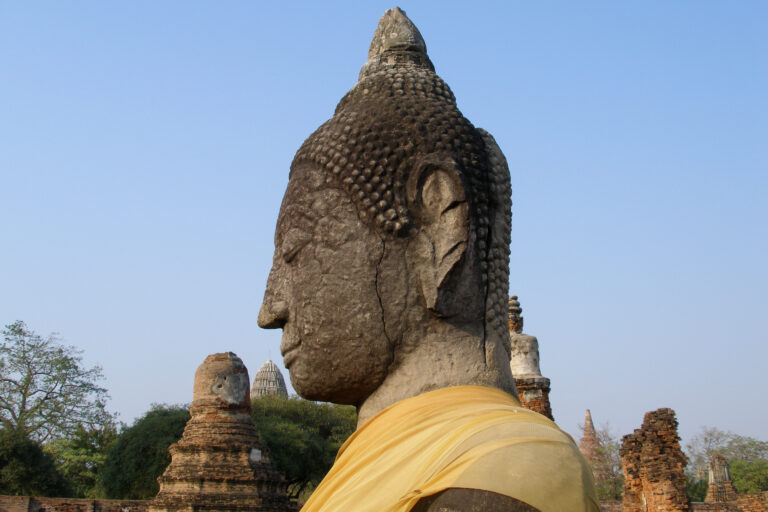 RouteHow to Get from Bangkok to Ayutthaya
 RouteHow to Get from Chiang Mai to Pai
 RouteHow to Get from Siem Reap to Bangkok
 RouteHow to Get from Bangkok to Hua Hin
 RouteHow to Get from Chiang Mai to Bangkok
 RouteHow to Get from Bangkok to Pattaya
 RouteHow to Get from Pattaya to Hua Hin
 GuidePai Travel Guide
 GuideChiang Mai Travel Guide
 GuideHua Hin Travel Guide