
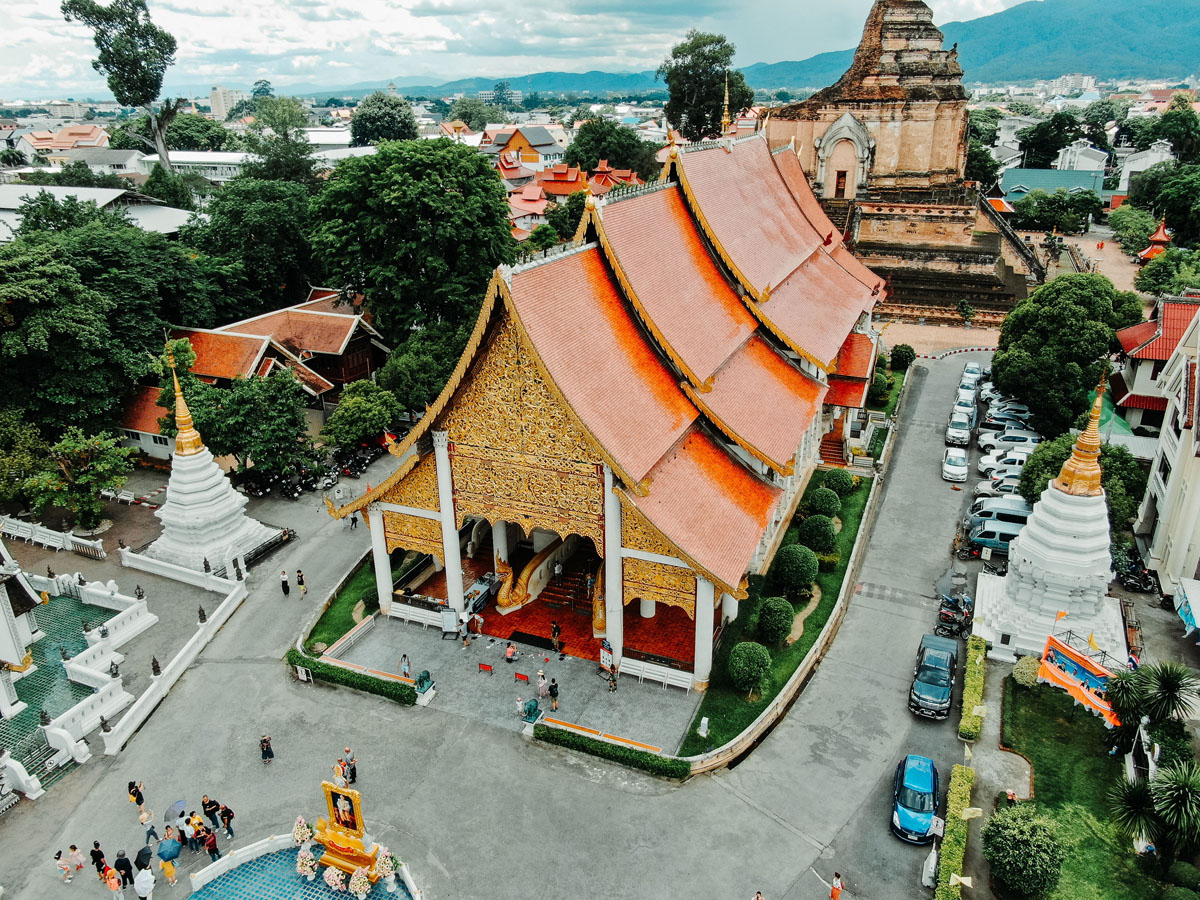
Chiang Mai is one of northern Thailand’s most fascinating cities, known for its ancient temples, traditional markets, distinctive cuisine, and mountain scenery. Founded in 1296 as the capital of the Lanna Kingdom, the city has preserved much of its cultural identity, particularly within the historic Old City, where centuries-old temples stand alongside guesthouses, cafés, and lively local streets. Beyond the old walls and surrounding moat, Chiang Mai has developed into a modern destination with fashionable neighbourhoods, excellent restaurants, shopping areas, and a thriving creative community. The nearby mountains offer opportunities to explore waterfalls, national parks, traditional villages, and some of Thailand’s most beautiful natural landscapes. Three or four days allow enough time to discover the main attractions and enjoy a few excursions, although Chiang Mai is also a comfortable place for a longer stay. The most pleasant period is generally from November to February, when temperatures are cooler and rainfall is limited. The rainy season, roughly from May to October, brings greener landscapes, while the later dry-season months can be affected by smoke and reduced air quality.
Main Transport Hubs
✈️ Chiang Mai International Airport (CNX)
Chiang Mai International Airport is the main airport serving northern Thailand and an important gateway for travellers exploring the region. Located just a few kilometres southwest of the Old City, it handles domestic flights to Bangkok and other Thai destinations, along with international connections to several Asian cities. Unlike Bangkok’s airports, Chiang Mai Airport is relatively close to the central tourist areas, making transfers generally straightforward. The most convenient options for reaching accommodation are official airport taxis and ride-hailing services such as Grab, although designated pickup arrangements may vary. The journey to the Old City is relatively short, while reaching areas such as Nimmanhaemin or the Night Bazaar depends on traffic and the exact location of the hotel. Public transport options are more limited than in larger Asian cities, so taxis or prearranged transfers are usually the simplest choice, especially when travelling with luggage.
🚉 Chiang Mai Railway Station
Chiang Mai Railway Station is the northern terminus of Thailand’s main railway line and an important arrival point for travellers coming from Bangkok and other destinations along the route. Located east of the Old City, near the Charoen Mueang area, it is only a short drive from the main tourist districts. The station is particularly popular with travellers using the overnight sleeper trains from Bangkok, which provide an alternative to flying and allow passengers to travel while sleeping. Daytime services are also available, offering views of the countryside along the route. From the station, red songthaews, tuk-tuks, taxis, and ride-hailing services can be used to reach accommodation. Chiang Mai does not have an urban railway or metro system connecting the station with the city centre.
🚌 Bus Terminals
Chiang Mai Arcade Bus Terminal
Arcade is the city’s main transport hub for long-distance buses and minivans. Located northeast of the Old City on Kaew Nawarat Road, the complex consists of Bus Terminals 2 and 3, situated close to one another. Services connect Chiang Mai with numerous destinations across northern Thailand and other parts of the country, including Bangkok, Chiang Rai, Pai, Mae Hong Son, and Sukhothai. Different operators use different departure platforms and terminals, so checking the exact boarding location is important. Red songthaews, tuk-tuks, and ride-hailing services provide transport between Arcade and the city centre.
Chang Phueak Bus Station
Located just north of the Old City, Chang Phueak Bus Station, also known as Chiang Mai Bus Terminal 1, mainly serves shorter regional routes within Chiang Mai province and surrounding areas. It is particularly useful for local connections towards destinations such as Mae Rim, Chiang Dao, and Fang. Unlike Arcade, it is not the main departure point for most long-distance intercity buses.
Getting Around Chiang Mai
Chiang Mai is considerably easier to navigate than Bangkok, particularly within the Old City, where many attractions are located within walking distance of one another. However, the city extends well beyond its historic centre, and reaching places such as Doi Suthep, nearby villages, or mountain attractions requires additional transport. The most useful options are red songthaews, taxis, ride-hailing services, tuk-tuks, and rented scooters.
🚐 Red Songthaews
Red songthaews, locally known as rot daeng, are one of Chiang Mai’s most characteristic forms of transport. These red pickup trucks have covered passenger benches in the back and operate throughout the city, providing a flexible alternative to conventional buses. Many operate as shared taxis rather than following a strictly fixed route. Passengers tell the driver their destination, and the driver decides whether it fits the journey. Other passengers may be picked up along the way, making the service economical but occasionally less direct. For short journeys around the central districts, fares are generally inexpensive, although prices depend on the destination, distance, and whether the vehicle is being hired privately. It is advisable to confirm the fare before boarding, particularly when travelling outside the central area. Songthaews are also used for excursions to nearby attractions, including Wat Phra That Doi Suthep, although longer journeys may require arranging a dedicated vehicle or negotiating a return trip.
🚕 Taxis and Ride-Hailing Apps
Traditional taxis are available in Chiang Mai, particularly around the airport, hotels, and major transport hubs, but they are less common on the streets than in Bangkok. Grab is one of the easiest ways for visitors to arrange transport, allowing passengers to select a destination and view the quoted fare before confirming a journey. Bolt is another option where vehicles are available. Ride-hailing services are particularly convenient for travelling between the Old City, Nimmanhaemin, the Night Bazaar, and other central neighbourhoods. They can also be useful for reaching attractions outside walking distance, although availability may be less reliable in remote areas. When visiting places outside the city, especially in the mountains, it is worth arranging the return journey in advance rather than assuming a driver will be available nearby.
🛺 Tuk-Tuks
Tuk-tuks are widely available around Chiang Mai’s tourist areas, especially near the Old City, Night Bazaar, and major attractions. Unlike metered taxis, tuk-tuks generally operate with fares negotiated before departure. They can be convenient for short journeys, although prices quoted to tourists are sometimes higher than those charged by shared songthaews or ride-hailing services. A short tuk-tuk ride can be an enjoyable way to experience the city, but it is not necessarily the most economical option for regular transport.
🛵 Scooters and Motorbikes
Scooter rental is popular among travellers who want to explore Chiang Mai independently, particularly when visiting attractions outside the city centre. Rental shops are common around the Old City and Nimmanhaemin. Having a scooter makes it easier to visit places such as Wat Umong, Baan Kang Wat, and nearby countryside areas without arranging separate transfers. However, Chiang Mai has busy roads, and some mountain routes involve steep climbs, sharp bends, and changing weather conditions. Riding requires experience, an appropriate motorcycle licence, and valid driving documents for Thailand. Helmets are essential, and travellers should verify that their insurance provides adequate coverage. For inexperienced riders, using local transport or booking a driver is generally a safer alternative, particularly for mountain excursions.
🚶 Walking and Cycling
Walking is one of the most enjoyable ways to explore Chiang Mai’s Old City. Many temples, cafés, restaurants, and small shops are located within the historic walls, making it possible to spend much of the day sightseeing without using transport. Cycling is another option for exploring central neighbourhoods and quieter streets. However, traffic can be heavy around the main roads, and dedicated cycling infrastructure is limited in many areas. Particular care is needed when crossing the busy roads surrounding the Old City moat. For most visitors, walking within individual neighbourhoods and using songthaews or ride-hailing services for longer journeys is a convenient combination.
Things to See and Do in Chiang Mai
🛕 Wat Phra Singh
Wat Phra Singh is one of Chiang Mai’s most important temples and a remarkable example of traditional Lanna architecture. Located within the western part of the Old City, the complex dates back to the fourteenth century and contains richly decorated buildings, golden stupas, and the revered Phra Singh Buddha image. One of its most notable structures is Wihan Lai Kham, an elegant wooden prayer hall known for its intricate decorations and traditional murals. The temple remains an active religious site and is particularly significant during Buddhist festivals. Its central location makes it easy to combine with other attractions in the Old City.
🏯 Wat Chedi Luang
Located in the heart of the Old City, Wat Chedi Luang is famous for its enormous partially ruined brick chedi, one of Chiang Mai’s most recognisable historical monuments. The structure was originally built during the Lanna period and once stood considerably taller than it does today. An earthquake in the sixteenth century caused extensive damage, leaving the imposing remains visible today. The temple complex also contains smaller religious buildings and traditional architectural details. Its large central courtyard provides an excellent opportunity to appreciate the scale of the ancient chedi, particularly in the softer light of the late afternoon. Wat Chedi Luang can easily be visited together with Wat Phra Singh and other nearby temples.
🛕 Wat Chiang Man and the Old City
Wat Chiang Man is considered Chiang Mai’s oldest temple, founded during the establishment of the city in the late thirteenth century. Located in the northeastern part of the Old City, it is particularly known for its historic chedi supported by sculpted elephants and its collection of revered Buddha images. Beyond the temple itself, Chiang Mai’s Old City is worth exploring without a strict itinerary. The square-shaped historic centre is surrounded by a moat and surviving sections of its old defensive walls, with traditional temples, small streets, guesthouses, cafés, and local restaurants scattered throughout. Tha Phae Gate, on the eastern side, is one of the most recognisable landmarks and a popular meeting point.
⛰️ Wat Phra That Doi Suthep
Situated on the slopes of Doi Suthep mountain, approximately 15 kilometres from central Chiang Mai, Wat Phra That Doi Suthep is one of northern Thailand’s most sacred temples. The temple is particularly famous for its golden chedi, ornate religious buildings, and panoramic views over Chiang Mai and the surrounding valley. Visitors reach the main complex by climbing a long staircase decorated with traditional naga serpent balustrades, although a cable-operated lift is also available. The journey up the mountain follows a winding road through forested scenery. Red songthaews commonly operate towards the temple, while private drivers and organised tours provide alternatives. Early morning is a particularly pleasant time to visit, both for the atmosphere and the cooler temperatures. Visibility from the viewpoint depends on weather and air quality.
🌿 Wat Pha Lat and the Monk’s Trail
Located partway up Doi Suthep mountain, Wat Pha Lat offers a noticeably different experience from the more famous temple above it. Surrounded by forest, streams, and moss-covered stone structures, the temple has a peaceful atmosphere and blends naturally into the mountain landscape. Traditional buildings, small bridges, and sculptures are scattered among the vegetation. Wat Pha Lat can be reached by road or by walking part of the Monk’s Trail, a forest path that climbs from the lower slopes towards the temple. The hike is relatively short but involves uneven terrain and can become slippery after rain. Visitors should wear suitable footwear, carry water, and respect the tranquillity of the religious site. The temple can be combined with a visit to Doi Suthep, making it a particularly interesting stop for travellers who enjoy nature as well as traditional architecture.
🌳 Wat Umong
Wat Umong, also known as the Tunnel Temple, is located in a wooded area west of Chiang Mai’s Old City, near the foothills of Doi Suthep. Its most distinctive feature is a network of ancient brick tunnels containing small Buddha shrines. The surrounding grounds include a large chedi, shaded paths, and quiet areas used for meditation. Compared with the more elaborate temples in the city centre, Wat Umong offers a simpler and more contemplative atmosphere. It is particularly enjoyable for visitors interested in Buddhist traditions and quieter places away from the busiest tourist areas.
🛍️ Sunday Walking Street and Saturday Walking Street
Chiang Mai’s weekend walking markets are among the city’s most popular attractions, combining local handicrafts, street food, art, and a lively evening atmosphere. Sunday Walking Street takes place along Ratchadamnoen Road, extending through the Old City from the Tha Phae Gate area. On Sunday evenings, the road becomes a pedestrian market filled with stalls selling handmade products, clothing, artwork, souvenirs, and numerous local specialities. The market is particularly popular with tourists and can become extremely crowded. Saturday Walking Street, located along Wua Lai Road just south of the Old City, has a similar atmosphere but is especially associated with the area’s traditional silversmithing heritage. Visitors can find silver jewellery, handicrafts, textiles, and food stalls. Both markets are interesting for browsing and discovering local products, even without plans to shop. They generally begin in the late afternoon and continue into the evening.
🏮 Warorot Market and the Riverside District
Warorot Market, locally known as Kad Luang, is one of Chiang Mai’s most important traditional markets. Located near the Ping River, it is particularly popular among residents shopping for food, clothing, household goods, and regional products. The market is an excellent place to discover northern Thai ingredients and specialities, including dried sausages, chilli pastes, preserved foods, and traditional sweets. Nearby Ton Lam Yai Market offers additional shops and market stalls. The surrounding streets retain traces of Chiang Mai’s historic commercial district, while the nearby Wat Ket neighbourhood, across the Ping River, contains traditional wooden buildings, cafés, restaurants, and small shops. Exploring this area provides a different perspective on the city beyond the Old City temples.
🎨 Baan Kang Wat
Baan Kang Wat is a small creative village located west of central Chiang Mai, not far from Wat Umong. The complex brings together independent artists, craft workshops, small boutiques, cafés, and galleries in a landscaped setting inspired by traditional northern Thai architecture. Visitors can browse handmade ceramics, textiles, artwork, and other locally produced items, while some workshops offer opportunities to participate in creative activities. It is a pleasant place to spend a few hours, particularly for travellers interested in art, design, and independent local businesses. The surrounding area is quieter than central Chiang Mai, and the village can easily be combined with a visit to Wat Umong.
☕ Nimmanhaemin and Modern Chiang Mai
Nimmanhaemin, commonly shortened to Nimman, is one of Chiang Mai’s most fashionable neighbourhoods, known for its cafés, restaurants, boutique hotels, bars, and contemporary shopping areas. Located northwest of the Old City, near Chiang Mai University, the district has developed into a popular destination for young Thai residents, international visitors, and remote workers. The streets around Nimmanhaemin Road are filled with independent coffee shops, bakeries, restaurants, and creative businesses. One Nimman, a shopping and lifestyle complex with distinctive architecture, is one of the area’s main landmarks. Nimman is particularly enjoyable for visitors who want to experience the modern side of Chiang Mai, spend time in cafés, or explore its dining and nightlife scene.
🐘 Elephant Sanctuaries
The Chiang Mai region is well known for elephant experiences, with numerous camps and sanctuaries located in the surrounding countryside. For visitors interested in seeing elephants, choosing a responsible facility is particularly important, as not every business describing itself as a sanctuary follows the same animal welfare standards. The most responsible experiences focus on observing elephants in environments that allow natural behaviour, without riding, performances, forced bathing, or unnecessary physical interaction. Facilities recognised for observation-focused approaches include ChangChill and other programmes assessed by independent animal welfare organisations. Before booking, it is worth checking the operator’s current practices rather than relying solely on advertising claims. Most elephant experiences take place outside the city and require at least half a day, often including transport from central Chiang Mai.
🌄 Doi Inthanon National Park
Doi Inthanon National Park is one of the most interesting excursions from Chiang Mai, particularly for travellers who enjoy mountain scenery, waterfalls, and nature. Located roughly 90 to 100 kilometres southwest of the city, the park contains Doi Inthanon, Thailand’s highest mountain, rising to 2,565 metres above sea level. The area features forest trails, waterfalls, viewpoints, and the famous twin royal pagodas surrounded by landscaped gardens. The mountain climate is significantly cooler than in Chiang Mai, especially during the winter months, when temperatures near the summit can become surprisingly low. Popular attractions include Wachirathan Waterfall, the summit area, and selected nature trails. Some trails are seasonal or require local guides, so access conditions should be checked before visiting. Doi Inthanon is generally best explored as a full-day excursion by private vehicle or organised tour, as public transport within the park is limited.
Where and What to Eat in Chiang Mai
Chiang Mai is one of Thailand’s most interesting destinations for regional cuisine. Northern Thai cooking, often referred to as Lanna cuisine, has its own distinctive flavours, ingredients, and traditions, with many dishes differing considerably from those commonly found in Bangkok or southern Thailand. Alongside traditional restaurants and street food stalls, the city has a thriving café culture, international dining options, and numerous markets where visitors can discover local specialities.
🍜 Traditional Northern Thai Dishes to Try
- Khao Soi: Chiang Mai’s most famous speciality, a rich curry noodle soup usually prepared with chicken or beef, topped with crispy noodles and served with pickled mustard greens, shallots, and lime.
- Sai Ua: Northern Thai grilled sausage seasoned with herbs, lemongrass, kaffir lime leaves, chilli, and aromatic spices.
- Gaeng Hung Lay: A fragrant pork curry influenced by Burmese culinary traditions, commonly prepared with ginger, garlic, and warm spices.
- Nam Prik Noom: A roasted green chilli dip, typically served with vegetables, sticky rice, and crispy pork skin.
- Nam Prik Ong: A northern Thai chilli dip made with minced pork, tomatoes, and spices, commonly eaten with vegetables.
- Khanom Jeen Nam Ngiao: Rice noodles served with a spicy, tomato-based northern Thai broth, often containing pork and traditional fermented ingredients.
- Laab Khua: A northern-style minced meat dish cooked with aromatic herbs and spices, quite different from the fresh, lime-heavy laab commonly associated with northeastern Thailand.
Sticky rice is an important part of northern Thai food culture and often accompanies grilled meats, chilli dips, and other traditional dishes.
🍢 Street Food and Local Markets
Chang Phueak Gate Night Food Market
Located just north of the Old City, near Chang Phueak Gate, this evening food market is a popular place for inexpensive local meals. Vendors prepare rice dishes, noodles, soups, grilled meats, and other Thai specialities, with seating available around some of the stalls. It is particularly convenient for visitors staying in the northern part of the Old City or nearby Santitham.
Chiang Mai Gate Food Market
The area around Chiang Mai Gate, on the southern side of the Old City, is another well-known location for street food. In the evening, stalls offer grilled dishes, curries, noodles, desserts, and familiar Thai favourites. It is an accessible option for a casual dinner without travelling far from the historic centre.
Jing Jai Market
Jing Jai Market, also known as JJ Market, is particularly interesting during weekend mornings, when vendors sell organic produce, freshly prepared food, baked goods, handicrafts, and locally made products. Its atmosphere is more relaxed and contemporary than the traditional evening markets, making it a pleasant choice for breakfast, coffee, and browsing independent stalls.
🍽️ Notable Restaurants and Local Eateries
Khao Soi Khun Yai: Traditional Khao Soi
Located near the northern side of Chiang Mai’s Old City, Khao Soi Khun Yai is a small, well-known restaurant specialising in traditional northern Thai curry noodles. The setting is simple, with a limited menu focused on khao soi prepared with rich curry broth, egg noodles, and classic accompaniments. It is particularly popular at lunchtime, and the restaurant may sell out of certain dishes before closing.
Khao Soi Mae Sai: A Northern Thai Favourite
Situated in the Chang Phueak area, Khao Soi Mae Sai is another established name for one of Chiang Mai’s signature dishes. The restaurant is known for its traditional khao soi, served with crispy noodles, pickled vegetables, and the usual condiments, along with other northern Thai noodle preparations. It offers a straightforward local dining experience and is particularly suitable for visitors interested in comparing different versions of this regional speciality.
Huen Muan Jai: Traditional Lanna Cuisine
Huen Muan Jai, located in the Chang Phueak area, offers a broader introduction to northern Thai cuisine in a traditional wooden-house setting surrounded by greenery. Its menu includes regional curries, grilled meats, chilli dips, and dishes that are less commonly found in restaurants focused on central Thai cooking. It is an excellent option for visitors who want to share several different dishes and discover the variety of Lanna flavours.
Tong Tem Toh: Northern Thai Food in Nimman
Located in the Nimmanhaemin district, Tong Tem Toh is a popular restaurant specialising in traditional northern Thai dishes. The menu includes grilled meats, regional curries, chilli dips, and other local specialities, served in a lively and informal environment. It is particularly convenient for visitors exploring Nimman and looking for a restaurant that offers a wide selection of regional food rather than focusing on a single speciality.
Kiti Panit: Northern Thai Cuisine in a Historic Building
Situated on Tha Phae Road, Kiti Panit occupies a restored historic building and offers a more refined interpretation of traditional northern Thai cooking. Its menu highlights regional dishes such as gaeng hung lay, grilled meats, and other preparations inspired by Lanna culinary traditions. The combination of historic architecture and carefully prepared food makes it an interesting choice for travellers seeking a more distinctive restaurant experience, generally at higher prices than ordinary local eateries.
Where to Stay in Chiang Mai
Chiang Mai offers a wide range of accommodation, from inexpensive guesthouses and traditional boutique hotels to modern properties and luxury resorts. The most practical area depends on whether visitors prefer historical attractions, cafés and nightlife, shopping, or a quieter riverside atmosphere. Most tourists will find the Old City and its surrounding neighbourhoods convenient, while a few other districts offer different advantages.
🏯 Old City: Temples and Traditional Atmosphere
Chiang Mai’s Old City is one of the most practical areas for visitors, particularly those discovering the destination for the first time. Surrounded by the historic moat and sections of the old city walls, it contains many of the main temples, traditional restaurants, cafés, markets, and guesthouses within walking distance. Accommodation ranges from inexpensive hostels to boutique hotels and traditional-style properties. Streets around Wat Phra Singh and the central Old City are particularly convenient for exploring on foot, while areas closer to Tha Phae Gate provide easy access to shops, restaurants, and evening activities. The Old City is a good choice for travellers interested in culture, sightseeing, and a more traditional atmosphere.
☕ Nimmanhaemin: Cafés, Restaurants, and Modern Lifestyle
Nimmanhaemin, or Nimman, is particularly suitable for travellers who enjoy modern cafés, international restaurants, shopping, and a lively but relatively comfortable urban environment. The area offers boutique hotels, serviced apartments, modern accommodation, and numerous dining options. It is popular among younger travellers, couples, and remote workers who prefer a contemporary neighbourhood rather than staying directly among the historic temples. The Old City can be reached relatively easily by taxi or songthaew, although walking between the two areas can be less convenient in hot weather. Another consideration is aircraft noise, as some parts of Nimman lie beneath flight paths serving Chiang Mai Airport.
🛍️ Night Bazaar and Chang Khlan: Shopping and Convenience
The area around Chang Khlan Road and the Night Bazaar is an established tourist district with a wide selection of hotels, restaurants, markets, and shopping opportunities. It is particularly convenient for visitors who enjoy evening markets and want accommodation close to restaurants and entertainment without staying inside the Old City. The neighbourhood includes mid-range hotels, international properties, and budget accommodation. The Old City and riverside areas are relatively close, although transport may still be useful depending on the hotel. Streets near the main Night Bazaar can be busy in the evening, so travellers seeking quieter accommodation should consider properties slightly away from the busiest sections.
🌊 Riverside and Wat Ket: A Quieter Stay
The neighbourhoods along the Ping River, particularly around Wat Ket and selected parts of the eastern riverbank, offer a more relaxed alternative to Chiang Mai’s busiest tourist districts. The area contains boutique hotels, riverside properties, traditional buildings, restaurants, and cafés, with some accommodation offering pleasant views of the river. It is particularly appealing to couples and travellers looking for a quieter atmosphere while remaining within reasonable reach of central attractions. However, accommodation is more spread out than in the Old City, and taxis or ride-hailing services may be necessary for regular sightseeing.
Useful Tips
Plan mountain excursions separately from city sightseeing. Temples and markets within the Old City can easily be explored on foot, while attractions such as Doi Suthep and Doi Inthanon require additional travel time. Keeping these activities on separate days generally makes the visit more enjoyable.
Carry some cash for markets and local transport. Smaller restaurants, traditional markets, songthaews, and street food stalls may prefer cash payments. Small banknotes are especially convenient for everyday purchases.
Consider the weekend when planning your visit. Chiang Mai’s Saturday and Sunday Walking Streets are among its most distinctive evening experiences. Travellers with flexible itineraries may want to include a weekend to enjoy these markets.
Safety and Local Considerations
One of the most important considerations in Chiang Mai is seasonal air pollution. Between approximately February and April, agricultural burning and forest fires across northern Thailand and neighbouring regions can produce significant smoke and elevated concentrations of fine particulate matter, known as PM2.5. During particularly severe periods, visibility may be reduced and outdoor activities can become uncomfortable or potentially harmful, especially for people with respiratory conditions. Travellers visiting during these months should monitor local air-quality readings and consider adjusting outdoor plans when pollution levels are high.
Mountain roads require particular care, especially when travelling to Doi Suthep, Doi Inthanon, or other attractions outside the city. Sharp bends, steep sections, changing weather, and occasional heavy rain can make riding a scooter more dangerous than it appears. Visitors without motorcycle experience should avoid renting a scooter simply because it is a popular tourist activity.
Chiang Mai is also famous for the Yi Peng lantern festival, often celebrated around the same period as Loy Krathong. However, releasing sky lanterns is subject to strict local restrictions because of the risks they pose to aircraft, particularly near Chiang Mai International Airport. Lantern releases are prohibited in certain areas and require authorisation in others. Visitors should never release lanterns independently without checking the applicable local regulations.
Finally, Chiang Mai’s temples are active religious sites, and respectful behaviour is expected. Visitors should dress appropriately, remove shoes where required, and avoid disturbing monks or worshippers during religious activities.
Chiang Mai: The Heart of Lanna Culture
Chiang Mai’s historic walls and moat still define the centre of a city that has grown well beyond them. Its ancient temples, traditional markets, and distinctive northern cuisine preserve a strong Lanna identity, while the surrounding mountains offer a completely different side of the region within easy reach.
Continue exploring
 RouteHow to Get from Bangkok to Chiang Mai
 RouteHow to Get from Vientiane to Nong Khai
 RouteHow to Get from Bangkok to Ayutthaya
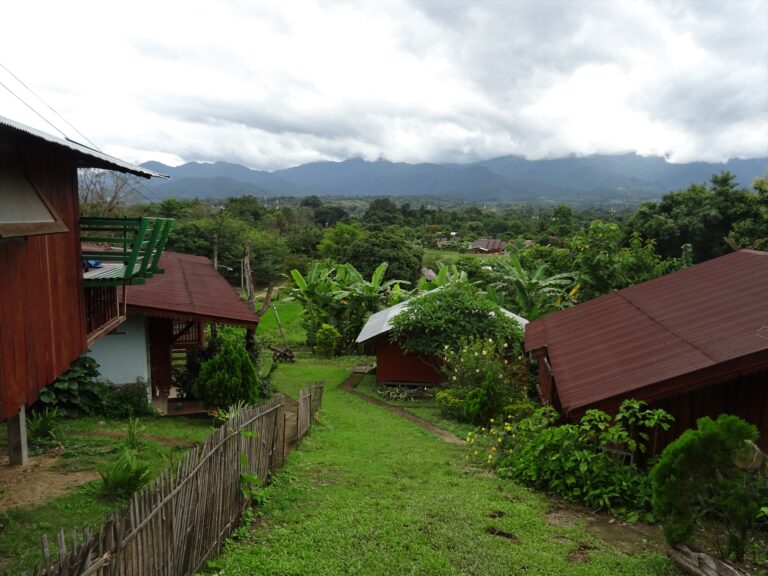 RouteHow to Get from Chiang Mai to Pai
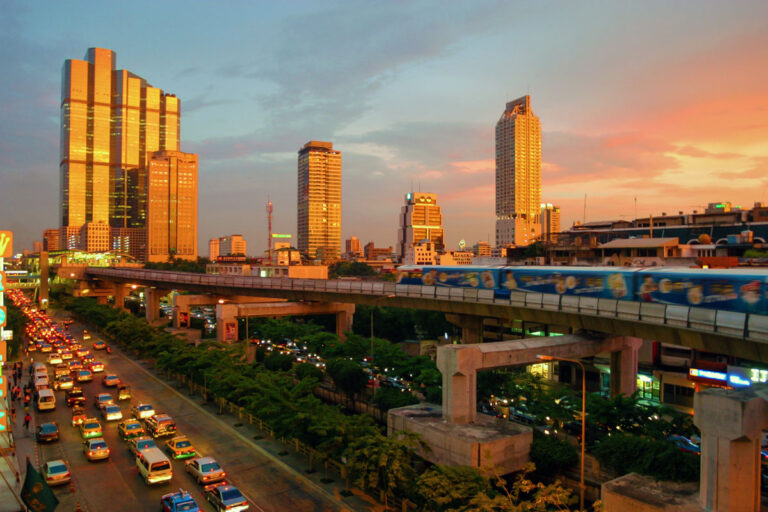 RouteHow to Get from Siem Reap to Bangkok
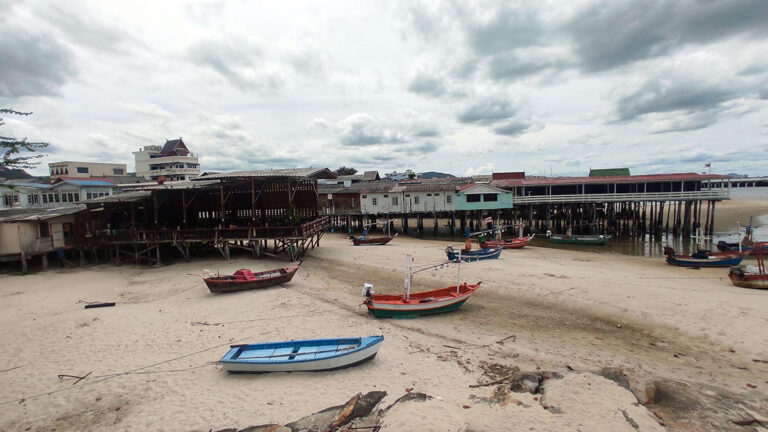 RouteHow to Get from Bangkok to Hua Hin
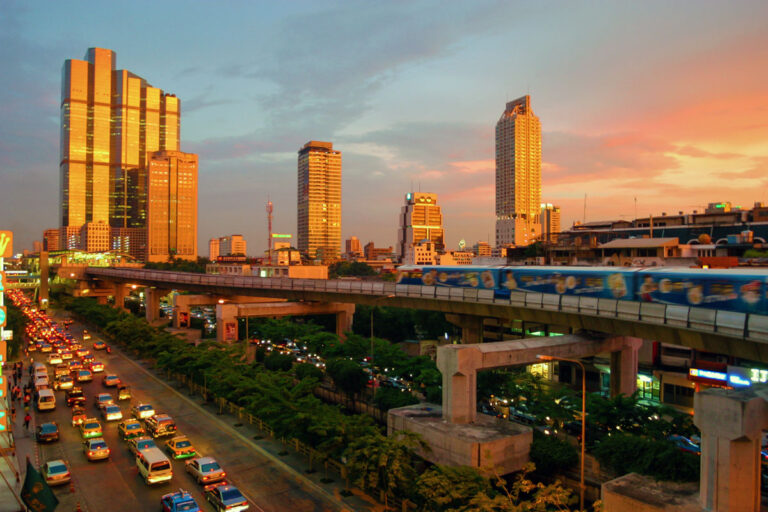 RouteHow to Get from Chiang Mai to Bangkok
 RouteHow to Get from Bangkok to Pattaya
 RouteHow to Get from Pattaya to Hua Hin
 GuideBangkok Travel Guide
 GuidePai Travel Guide
 GuideHua Hin Travel Guide